
Finding the Best Bed-Stuy Childcare for Infants: A Comprehensive Guide for Brooklyn Parents
Discover top-tier Bed-Stuy childcare for infants. Learn what to look for in a nurturing, play-based early education center for your little one in Brooklyn.
Why Quality Infant Care Matters More Than Just Babysitting
For new parents in Bed-Stuy, the journey of finding the right childcare for infants can feel overwhelming. Beyond the practical need for supervision, choosing a high-quality environment for your baby during these formative months is one of the most significant decisions you’ll make. The first three years of life are a period of incredible brain development, forming the foundation for all future learning, behavior, and health. During this critical window, infants absorb information at an astonishing rate, developing essential cognitive, social, emotional, and physical skills.
A truly nurturing infant care setting goes far beyond simply keeping your child safe; it actively supports their development through responsive caregiving, stimulating interactions, and a consistent, loving environment. It’s about creating a “second home” where your baby feels secure enough to explore, learn, and grow. Experts at Zero to Three emphasize that consistent, responsive relationships with caring adults are crucial for healthy infant development, building a sense of security and trust that impacts everything from language acquisition to emotional regulation. Therefore, when you seek Bed-Stuy childcare for infants, you’re not just looking for a facility; you’re searching for a partner in your child’s early development journey.
Key Considerations When Choosing Bed-Stuy Childcare for Infants
Navigating the options for infant childcare in Bed-Stuy requires a clear understanding of what makes a program exceptional. Here are the crucial factors to evaluate:
Licensing and Safety Standards: Non-Negotiables for Infant Care
The absolute first step in evaluating any childcare provider is to confirm their licensing and adherence to safety regulations. In New York State, all full-day childcare centers must be licensed by the NYS Department of Health. This licensing ensures that the facility meets stringent health and safety requirements, including proper sanitation, facility maintenance, emergency preparedness, and appropriate child-to-staff ratios.
For infants, these ratios are particularly critical. Lower ratios mean more individualized attention for your baby, ensuring caregivers can respond promptly to feeding cues, diaper changes, and comfort needs. Look for centers that maintain low infant-to-staff ratios, ideally 1:3 or 1:4, to ensure your child receives the focused care they deserve. Additionally, inquire about staff certifications: are all caregivers CPR and Health & Safety certified? This ensures they are prepared to handle any situation with competence and care. A safe environment also extends to age-appropriate, well-maintained toys, secure entry systems, and a clean, hazard-free space designed specifically for the unique needs of infants.
Educational Philosophy and Curriculum for Infants
While formal “curriculum” might sound advanced for infants, a high-quality program will have a thoughtful approach to infant learning and development. For infants, education is intrinsically linked to play-based learning and sensory exploration. This means creating an environment rich with opportunities for babies to explore textures, sounds, sights, and movements.
A center that embraces a philosophy like the HighScope approach, for example, focuses on active learning, where infants are encouraged to initiate their own activities and explore their interests with supportive adult interaction. As a proud member of the HighScope Educational Research Foundation, our center applies these principles, understanding that even the youngest learners thrive when given freedom within a structured, safe environment. For infants, this translates into:
- Sensory Play: Opportunities to touch, taste (safely), see, hear, and smell.
- Motor Skill Development: Tummy time, reaching, grasping, crawling, and eventually walking support.
- Language Rich Environment: Caregivers engaging in conversation, singing, reading, and responding to babbles and gestures.
- Early STEAM Exposure: Simple cause-and-effect toys, exploring gravity, building with soft blocks, and observing natural phenomena – all foundational for later science, technology, engineering, art, and math concepts.
Staff Expertise and Nurturing Environment
The caregivers themselves are perhaps the most vital component of any infant childcare program. Look for staff who are not only experienced and professionally trained in early childhood development but also genuinely warm, patient, and responsive. Infants thrive on consistent, loving interactions that build secure attachments. Ask about staff turnover rates, as consistency in caregivers is incredibly beneficial for a baby’s emotional security.
A nurturing environment is characterized by:
- Responsive Caregiving: Staff who observe and respond promptly to an infant’s cues – hunger, discomfort, need for comfort, or desire for interaction.
- Positive Communication: Caregivers who engage in eye contact, gentle touch, and soothing voices.
- Strong Parent Communication: Daily reports detailing your child’s eating, sleeping, diaper changes, and developmental milestones, along with open lines of communication for any questions or concerns.
Daily Routines and Flexibility
Infants benefit from predictable routines, even if they are flexible enough to accommodate individual needs. A well-structured day provides a sense of security and helps regulate their biological rhythms. Inquire about the center’s daily schedule:
- How are feeding times handled (breast milk, formula, solids)? Is there flexibility for individual feeding schedules?
- What is the approach to napping? Are there quiet, comfortable spaces for infants to sleep on demand?
- How are diaper changes managed?
- What types of stimulating activities are offered throughout the day, balanced with quiet time and free play?
Our center, open from 8:30 am to 5:30 pm, Monday through Friday, ensures a consistent, enriching day for your infant while providing the flexibility needed to support their unique rhythms.
What to Expect from a Top-Tier Infant Program in Bed-Stuy
When seeking the best Bed-Stuy childcare for infants, you should expect a program that excels in both foundational care and developmental enrichment.
Personalized Infant Care Plans
Every infant is unique, with their own temperament, developmental pace, and needs. A top-tier program will offer personalized care plans that adapt to your baby’s individual feeding, sleeping, and developmental stages. Caregivers should be adept at observing developmental milestones and communicating progress with parents. Resources like the CDC’s Learn the Signs. Act Early. program can provide valuable information on typical developmental milestones, which a good center will be familiar with and incorporate into their care. This responsive approach ensures that your baby’s specific needs are met with sensitivity and expertise.
Stimulating and Safe Learning Spaces
The physical environment plays a crucial role in an infant’s development. Look for spaces that are:
- Age-Appropriate: Designed specifically for infants, with safe, soft surfaces for crawling and exploring.
- Clean and Hygienic: Regular cleaning protocols are essential, especially for infants who explore with their mouths.
- Rich in Materials: A variety of sensory toys, soft blocks, mirrors, musical instruments, and picture books to engage curiosity.
- Bright and Welcoming: Natural light, calming colors, and a cozy atmosphere contribute to a positive experience.
- Outdoor Access: Weather permitting, opportunities for fresh air and outdoor sensory experiences are invaluable, even for infants.
Holistic Development Focus
A comprehensive infant program fosters development across all domains:
- Cognitive Development: Encouraging curiosity through exploration, object permanence games, and problem-solving with simple toys.
- Physical Development: Ample tummy time, opportunities for reaching, grasping, rolling, sitting, and crawling, supported by caregivers.
- Social-Emotional Development: Building secure attachments through consistent, responsive care, encouraging early social interactions, and helping infants learn to regulate their emotions.
- Language Development: Constant verbal interaction, singing, reading aloud, and responding to an infant’s babbles and gestures.
Beyond Basics: Enrichment for Bed-Stuy Infants
Our philosophy centers on providing more than just basic care. We believe in sparking a lifelong love for learning right from infancy. While “STEAM” and “business fundamentals” might sound like concepts for older children, we integrate their foundational principles into our infant program through play and exploration:
- Early STEAM Exploration: This involves sensory bins with natural materials (safely supervised), exploring cause-and-effect with switches and buttons, simple block play that introduces concepts of balance and structure, and observing natural phenomena through windows or during outdoor time. These experiences lay the groundwork for scientific inquiry and creative problem-solving.
- Foundations of Critical Thinking: Even for infants, critical thinking begins with exploration and discovery. We encourage babies to investigate, experiment, and understand how things work through hands-on interaction with their environment and responsive support from caregivers.
These enriched experiences, guided by our play-based learning approach, ensure that infants in our care are not just looked after, but actively engaged in a journey of discovery and growth.
Making the Transition: Tips for Parents
Choosing Bed-Stuy childcare for infants is a big step. Here are a few tips to make the process smoother:
- Visit Multiple Centers: See the environments firsthand, observe interactions between staff and children, and ask plenty of questions.
- Trust Your Gut: Pay attention to how you feel in the space and how your baby reacts during visits.
- Prepare a List of Questions: Cover everything from daily routines and feeding policies to emergency procedures and communication methods.
- Plan for an Adjustment Period: Both you and your baby will need time to adjust to the new routine. Open communication with the center staff is key during this transition.
Considering the Future: Programs Beyond Infancy
As your infant grows, their developmental needs evolve. A significant advantage of choosing a center that serves a wide age range, from 6 weeks to 12 years, is the potential for continuity of care. Our center offers Infant/Toddler Care, Preschool, and After-School programs, meaning your child can seamlessly transition through different stages within a familiar, trusted environment. This continuity provides stability for your child and convenience for your family, knowing that the same high standards of care and educational philosophy will follow them as they grow.
Discover Nurturing Early Education at Preschool of Business
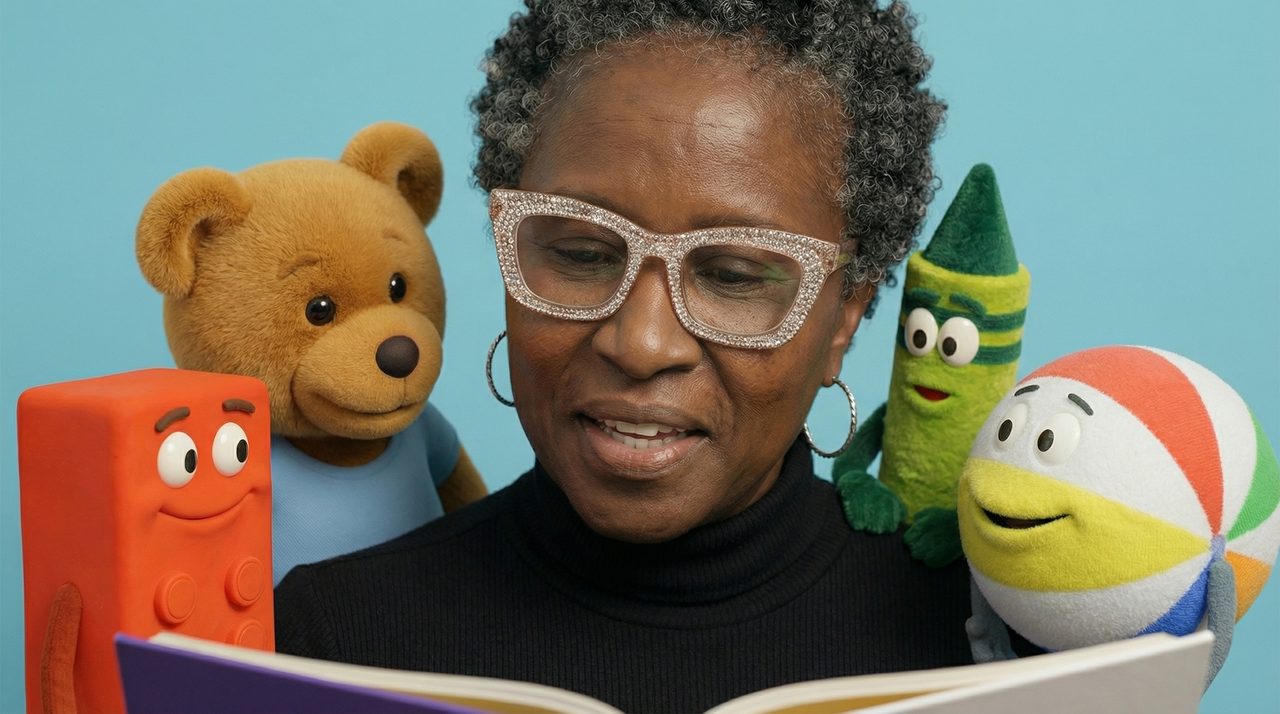
As you consider the ideal Bed-Stuy childcare for infants, we invite you to explore the philosophy and care offered by our sister brand, Preschool of Business. Located in the heart of Bed-Stuy at 260 Jefferson Ave, Preschool of Business extends our commitment to hands-on STEAM learning, structured daily routines, and school-readiness skills for children beyond infancy. With a distinctive four-mascot curriculum framework – Block (social development), Bear (physical development), Beach Ball (cognitive development), and Crayon (emotional development) – Preschool of Business is dedicated to fostering well-rounded growth. Our full-time programs and extended care options are designed to support busy Brooklyn families, and we’re proud of our 5-star parent reviews on Google, reflecting the nurturing and enriching environment we provide. We believe that laying a strong foundation in early childhood is key to future success, and we’re here to partner with you in that journey.