
Navigating the World of 3-Year-Old Preschool Programs in Bed-Stuy: A Comprehensive Guide for Parents
Discover the ideal 3-year-old preschool program in Bed-Stuy. Learn about developmental needs, daily routines, and how to choose the perfect fit for your child.
The Bed-Stuy Parent’s Guide to Choosing a 3-Year-Old Preschool Program
Finding the right early childhood education for your child is one of the most significant decisions a parent makes. For families in Bed-Stuy, Brooklyn, navigating the options for a high-quality 3-year-old preschool program Bed-Stuy can feel overwhelming, yet it’s a critical step in fostering your child’s growth and preparing them for future academic success. At three years old, children are bursting with curiosity, developing rapidly, and ready for a structured environment that nurtures their burgeoning independence and social skills. This guide aims to equip you with the knowledge to understand your three-year-old’s unique needs and identify a program that truly supports their development.
Understanding Your Three-Year-Old’s World: Key Developmental Milestones
Three-year-olds are truly magical. They’re no longer toddlers, but not yet big kids. This transitional stage is marked by incredible leaps in physical, cognitive, social, and emotional development. A successful preschool program for this age group understands and caters to these specific milestones, providing opportunities for children to explore, learn, and grow at their own pace.
Social-Emotional Growth: Building Blocks of Friendship and Feelings
At three, children begin to move beyond parallel play and engage in more cooperative interactions. They’re learning to share, take turns, and understand the feelings of others. This is a crucial period for developing empathy and navigating group dynamics. They might start to show a wider range of emotions and are learning to express them verbally, though tantrums can still occur as they master self-regulation. A supportive environment encourages positive peer interactions and helps children develop a sense of belonging. The National Association for the Education of Young Children (NAEYC) emphasizes the importance of social-emotional development as a foundation for all other learning.
Cognitive Leaps: Curiosity, Creativity, and Problem-Solving
Three-year-olds are natural scientists and artists. Their “why” phase is often in full swing, reflecting their insatiable curiosity about the world around them. They’re developing early literacy skills (recognizing letters, enjoying stories), basic math concepts (counting, recognizing shapes), and problem-solving abilities. Imaginative play becomes more elaborate, and they can follow multi-step instructions. A stimulating program will offer diverse materials and activities that spark their cognitive development.
Physical Development: From Wobbly to Wonderful
Gross motor skills are rapidly refining at three. Children can run, jump, climb, and balance with increasing confidence. Fine motor skills are also progressing, allowing them to hold crayons with more control, manipulate small objects, and even begin to use scissors. These skills are essential for self-care (dressing, eating) and pre-writing activities. A program should provide ample opportunities for both active play and focused fine motor tasks. The CDC’s Learn the Signs. Act Early. program offers comprehensive checklists for developmental milestones across all domains.
What a Day Looks Like: Structure and Engagement in a 3-Year-Old Preschool Program
A well-structured daily routine is incredibly beneficial for three-year-olds. It provides a sense of security, predictability, and helps them transition smoothly between activities. However, “structured” doesn’t mean rigid. It means a thoughtful balance of teacher-led instruction, child-initiated play, quiet time, and active exploration.
The Ideal Daily Rhythm for Three-Year-Olds
When evaluating a 3-year-old preschool program Bed-Stuy, look for a schedule that incorporates the following elements, ensuring a holistic approach to development:
- Arrival and Free Play (Open Exploration): A gentle start to the day allows children to ease in, choose activities that interest them, and connect with friends. This might involve blocks, puzzles, art supplies, or dramatic play areas.
- Circle Time (Group Learning & Socialization): A gathering time for songs, stories, calendar activities, and group discussions. This builds community, language skills, and attention span.
- Hands-On Learning Centers (STEAM Focus): This is where the magic of discovery happens. Activities focused on Science, Technology, Engineering, Arts, and Math (STEAM) allow children to experiment, create, and solve problems. Think building with magnatiles, exploring sensory bins, simple science experiments, or collaborative art projects.
- Outdoor Play/Gross Motor Activities: Essential for physical development and burning off energy. Playgrounds, open spaces for running, tricycles, and climbing structures support gross motor skills.
- Snack and Lunch: Group meals are opportunities for social interaction, learning good table manners, and practicing self-help skills.
- Rest Time/Quiet Activities: Three-year-olds still benefit greatly from a period of rest, even if they don’t always nap. This could be a designated quiet time with books, soft music, or individual quiet play.
- Small Group Instruction: Teachers can work with smaller groups on specific skills, tailoring activities to individual needs.
- Story Time and Departure: A calming end to the day, often with a story, followed by a smooth transition for pick-up.
- Extended Care (Optional): For families needing longer hours, extended care should continue to offer enriching, age-appropriate activities, maintaining the program’s educational philosophy.
Curriculum Frameworks that Nurture 3-Year-Old Development
A strong curriculum is the backbone of any excellent preschool. For three-year-olds, it should be engaging, developmentally appropriate, and comprehensive. Programs that use a thematic or project-based approach often captivate young minds. At the core, it’s about fostering curiosity, critical thinking, and a love for learning.
The Four Pillars of Development: A Mascot-Driven Approach
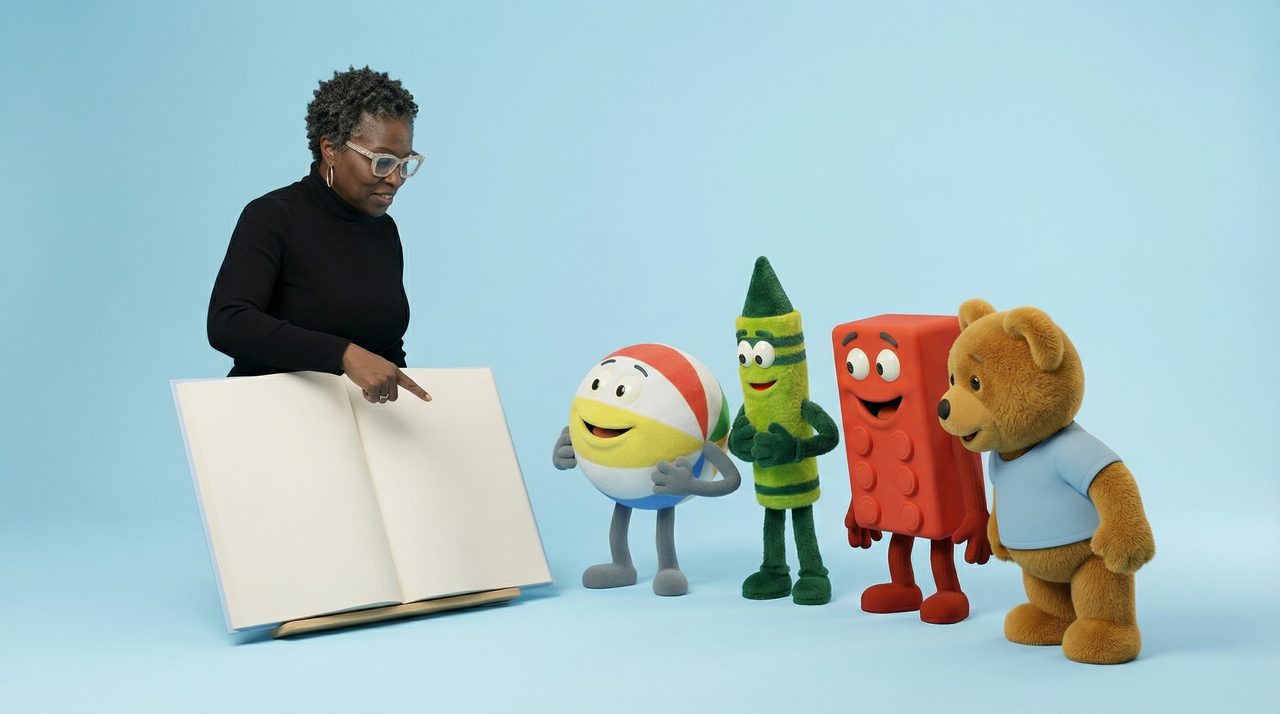
An innovative curriculum will often simplify complex developmental concepts into relatable themes for children. Consider a framework that focuses on four key areas, each represented by a fun mascot:
- Block (Social Development): Imagine a friendly block character guiding children through activities that build cooperation, sharing, and early friendship skills. This involves structured group games, collaborative building projects, and role-playing scenarios that teach empathy and conflict resolution.
- Bear (Physical Development): A playful bear mascot can inspire children to explore their physical capabilities. Activities would focus on gross motor skills like running, jumping, climbing, and balancing, as well as fine motor skills through drawing, cutting, and manipulating small objects. This ensures children develop coordination and body awareness.
- Beach Ball (Cognitive Development): A bright beach ball can represent the excitement of cognitive discovery. This pillar emphasizes problem-solving, critical thinking, and early academic skills through hands-on STEAM activities. Children engage with puzzles, sorting games, early math concepts, and scientific exploration that sparks their natural curiosity.
- Crayon (Emotional Development): A colorful crayon mascot helps children understand and express their emotions in healthy ways. Through art, storytelling, and guided discussions, children learn to identify feelings, develop empathy, and practice self-regulation, building a strong foundation for emotional intelligence.
This type of integrated, mascot-driven approach helps children connect with abstract concepts and makes learning fun and memorable.
Choosing the Best 3-Year-Old Preschool Program in Bed-Stuy
When you’re ready to explore options for a 3-year-old preschool program Bed-Stuy, what should you prioritize? Beyond understanding the daily routine and curriculum, consider these practical aspects:
Key Considerations for Bed-Stuy Parents
- Location and Accessibility: For Bed-Stuy families, proximity is often key. Look for a program that is conveniently located, perhaps near 260 Jefferson Ave, making drop-off and pick-up manageable.
- Program Hours and Flexibility: Do they offer full-time programs and extended care if you need it? This is crucial for working parents.
- Teacher Qualifications and Ratios: Inquire about the experience and education of the teaching staff. Lower child-to-teacher ratios ensure more individualized attention.
- Health and Safety Protocols: Ask about their procedures for illness, emergencies, and general facility cleanliness. The NYS Department of Health sets specific guidelines for childcare facilities.
- Parent Communication: How does the program communicate with parents about their child’s day, progress, and any concerns? Regular, open communication is vital.
- Reviews and Reputation: What are other parents saying? Online reviews, especially on platforms like Google, can provide valuable insights into a program’s strengths and community perception. A preschool with 5-star reviews from parents indicates a high level of satisfaction and trust.
- School-Readiness Focus: How does the program prepare children for kindergarten and beyond? This includes not just academic skills, but also social-emotional regulation, independence, and problem-solving.
Red Flags vs. Green Lights
- Red Flag: Unstructured days, high staff turnover, lack of clear communication, unsanitary environment, overly academic focus without play.
- Green Light: Warm, engaging teachers, clear daily schedule, clean and stimulating classrooms, emphasis on play-based learning, positive parent testimonials, and a commitment to all areas of child development.
Preparing Your Child for Their First Preschool Experience
Even the best program can be a big adjustment. Here are a few tips to help your three-year-old transition smoothly:
- Talk About It: Discuss preschool positively and often. Read books about starting school.
- Visit Together: If possible, visit the school with your child before their first day.
- Practice Routines: Start practicing morning routines, drop-off, and pick-up times at home.
- Encourage Independence: Let them practice dressing themselves, packing their bag, and using the bathroom independently.
- Be Patient: Separation anxiety is normal. A consistent, reassuring goodbye helps. Trust the teachers to comfort your child.
Discover the Preschool of Business Difference for Your 3-Year-Old
Choosing the right 3-year-old preschool program Bed-Stuy is an investment in your child’s future. If you’re looking for an early childhood preschool in Bed-Stuy that combines academic rigor with a nurturing environment, we invite you to explore Preschool of Business. Located conveniently at 260 Jefferson Ave, our program is designed to meet the unique needs of three-year-olds with full-time programs and extended care options to support busy families.
At Preschool of Business, we believe in a hands-on STEAM learning approach, fostering curiosity and critical thinking from an early age. Our structured daily routines provide predictability and comfort, while our distinctive four-mascot curriculum framework—Block (social development), Bear (physical development), Beach Ball (cognitive development), and Crayon (emotional development)—ensures a holistic and engaging learning experience. We are dedicated to building essential school-readiness skills, preparing your child not just for kindergarten, but for a lifetime of learning. Our commitment to excellence is reflected in the 5-star reviews from parents on Google, who consistently praise our caring staff and enriching environment. Contact us today to learn more and schedule a visit!