
Navigating Early Learning: Choosing the Best 2-Year-Old Preschool Program in Bed-Stuy
Discover what makes an ideal 2-year-old preschool program in Bed-Stuy. Learn about developmental needs, curriculum, and how to choose the right fit for your toddler.
Why a Dedicated 2-Year-Old Preschool Program Matters for Your Toddler
The age of two is a whirlwind of discovery, growth, and rapid development. Your toddler is no longer a baby, but not quite a preschooler, existing in a unique space characterized by burgeoning independence, an explosion of language, and an insatiable curiosity about the world. For parents in Brooklyn, finding the right 2-year-old preschool program in Bed-Stuy can feel like a daunting task, yet it’s a crucial step in laying a strong foundation for future learning and social-emotional well-being. A high-quality program specifically designed for this age group understands these unique developmental needs and provides an environment where two-year-olds can thrive.
At two, children are actively exploring their identity, testing boundaries, and developing crucial social skills, often through parallel play before moving towards more interactive engagement. Their gross motor skills are improving dramatically, leading to more running, jumping, and climbing, while fine motor skills are developing to allow for early drawing and manipulation of small objects. Cognitively, they are absorbing language at an incredible rate, asking “Why?” constantly, and beginning to grasp cause and effect. Emotionally, they are learning to express a wide range of feelings, often intensely, and are developing a sense of self.
Generic childcare or programs not specifically tailored to this age might miss the mark, either overwhelming a two-year-old with expectations meant for older children or not providing enough stimulation for their rapid growth. A specialized program offers a balanced approach, with activities, routines, and teacher-child interactions that are perfectly paced for this dynamic developmental stage. It’s about nurturing their emerging independence while providing the gentle guidance and secure environment they still deeply need.
What to Look for in a Top-Tier 2-Year-Old Preschool Program
Choosing a preschool is one of the most significant decisions you’ll make for your child’s early years. For two-year-olds, the environment needs to be safe, stimulating, and emotionally supportive. When evaluating a 2-year-old program in Bed-Stuy, consider these key elements:
Curriculum Tailored for Toddler Development
A robust curriculum for two-year-olds should be hands-on, play-based, and flexible enough to adapt to individual interests and learning styles. Look for programs that emphasize experiential learning across various domains. The HighScope Educational Research Foundation advocates for an active learning approach where children learn by doing, which is particularly effective for toddlers.
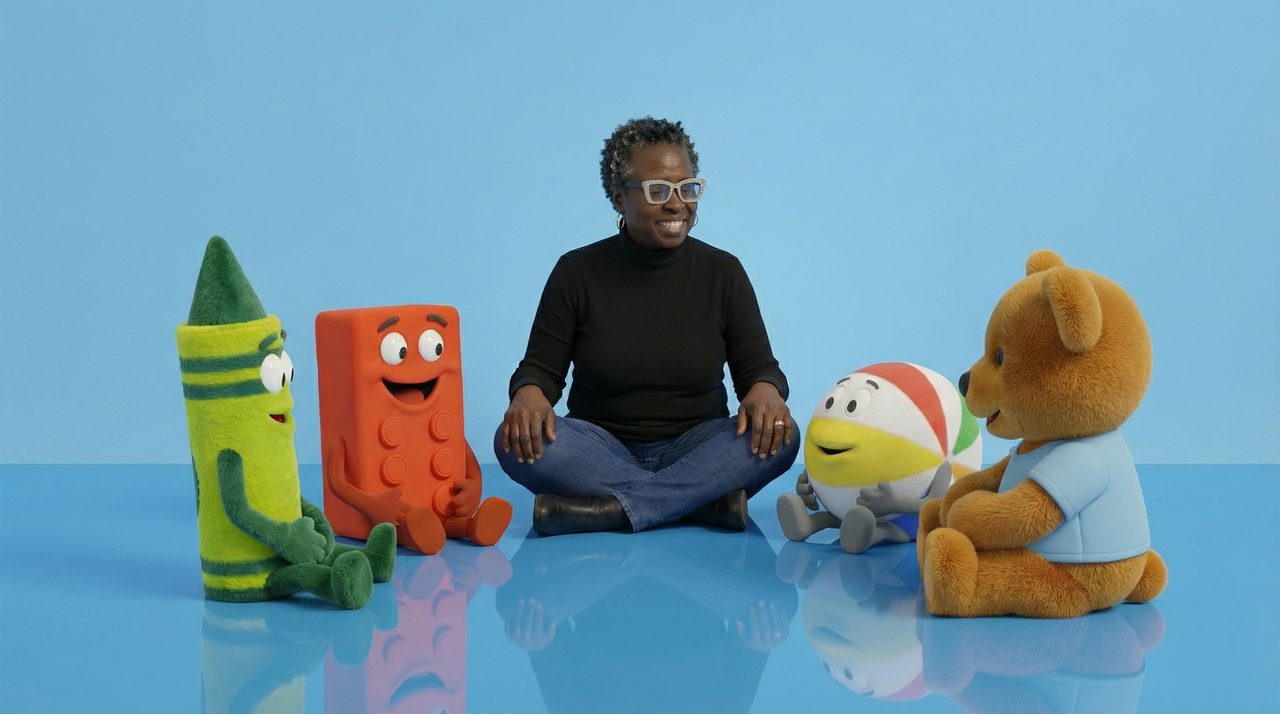
- Social Development (The “Block” Mascot Focus): Two-year-olds are just beginning to navigate social interactions. A good program provides opportunities for parallel play, guided sharing, turn-taking, and learning to express needs and wants to peers and adults. Teachers should facilitate positive peer interactions and help children understand social cues.
- Physical Development (The “Bear” Mascot Focus): This age group needs ample space and time for both gross motor activities (running, climbing, balancing) and fine motor skill development (manipulating puzzles, building with blocks, scribbling, sensory play). Safe outdoor play areas are essential.
- Cognitive Development (The “Beach Ball” Mascot Focus): Curriculum should spark curiosity and foster early problem-solving. This includes activities that encourage language development (story time, songs, conversations), early math concepts (counting, sorting), and scientific exploration (observing nature, simple experiments). A strong STEAM (Science, Technology, Engineering, Arts, Math) foundation, even at this young age, can be introduced through play and exploration.
- Emotional Development (The “Crayon” Mascot Focus): Perhaps most critical for two-year-olds, the program should prioritize emotional regulation and self-awareness. Teachers should help children identify and express their feelings in healthy ways, build self-esteem, and develop independence through choices. A warm, responsive caregiving style is paramount for building secure attachments.
Structured Daily Routines with Flexibility
Two-year-olds thrive on predictability. A well-structured daily routine provides a sense of security and helps children anticipate what comes next, reducing anxiety and promoting independence. This doesn’t mean rigidity; rather, it means a consistent flow that includes:
- Arrival and greeting: A warm welcome to ease separation.
- Circle time: Short, engaging periods for songs, stories, and group interaction.
- Free play/Choice time: Opportunities for child-led exploration and learning.
- Outdoor play: Essential for gross motor development and fresh air.
- Snack and meal times: Social opportunities and practice with self-feeding.
- Rest/Nap time: Crucial for physical and emotional regulation.
- Potty training support: A crucial milestone for this age group, requiring patience and consistency.
Low Teacher-to-Child Ratios and Qualified Staff
For two-year-olds, individualized attention is key. A low teacher-to-child ratio ensures that each child receives the care, support, and guidance they need. The NAEYC (National Association for the Education of Young Children) sets high standards for quality early childhood education, including recommended ratios and group sizes. Equally important are the qualifications and experience of the teaching staff. Teachers should be knowledgeable about child development, patient, nurturing, and skilled in creating engaging learning experiences.
Focus on Health, Safety, and Cleanliness
Especially for toddlers, a clean and safe environment is non-negotiable. Inquire about cleaning protocols, health policies (e.g., sick child policies), and emergency procedures. Ensure the facility meets or exceeds licensing standards set by organizations like the NYS Department of Health. Play areas should be child-proofed, and materials should be age-appropriate and well-maintained.
Transparent Communication with Parents
A strong partnership between parents and the preschool is vital. Look for programs that prioritize open communication, offering daily reports, regular parent-teacher conferences, and accessible staff. This ensures you’re always informed about your child’s day, their development, and any specific needs or triumphs.
A Day in the Life: What a 2-Year-Old’s Program Looks Like
Imagine a typical day in a high-quality 2-year-old preschool program in Bed-Stuy. It’s a carefully orchestrated balance of active play, quiet exploration, social interaction, and individual discovery, all within a nurturing and predictable routine.
The morning might begin with a warm welcome and gentle transition from parent to teacher. Children then move into “choice time,” where they can select from various learning centers: a block area for building (Block mascot), a sensory table with water or sand, an art easel for creative expression (Crayon mascot), or a cozy corner for looking at books (Beach Ball mascot). Teachers circulate, engaging with children, asking open-ended questions, and facilitating positive interactions.
A short, engaging circle time follows, with songs, fingerplays, and a brief story, helping to develop listening skills and group participation. This is often followed by a healthy snack and then outdoor play, where children can run, climb, and develop their gross motor skills (Bear mascot) in a safe, supervised environment.
After washing hands and a nutritious lunch, it’s time for a quiet period or nap, offering much-needed rest for growing bodies and minds. The afternoon might bring more structured activities like a simple STEAM project (e.g., exploring magnets, building a ramp for balls), another period of free play, and perhaps a small group activity focused on language or early literacy. Throughout the day, teachers are attuned to individual needs, offering comfort, guidance during potty training, and support as children navigate their emotions. The day concludes with a cheerful goodbye, often with a brief report to parents about their child’s adventures.
Supporting Key Developmental Milestones for Two-Year-Olds
The second year of life is marked by incredible developmental leaps. A specialized program for two-year-olds actively supports these milestones:
Language and Communication
Two-year-olds are language sponges! They typically acquire many new words each day, begin to combine two or three words into simple sentences, and can follow two-step instructions. A good program immerses them in language through stories, songs, conversations, and descriptive commentary from teachers, encouraging them to express themselves verbally.
Independence and Self-Help Skills
This is the “I can do it myself!” age. Teachers foster this emerging independence by encouraging children to help with simple tasks, make choices, and practice self-help skills like washing hands, putting on shoes, and attempting to dress themselves. This builds confidence and a sense of agency.
Problem-Solving and Curiosity
From figuring out how to stack blocks without them toppling (Block mascot) to understanding why a toy car rolls down a ramp (Beach Ball mascot), two-year-olds are natural scientists. A program should offer materials and opportunities that encourage experimentation, observation, and critical thinking at their level. The Zero to Three organization provides excellent resources on fostering healthy development in toddlers, emphasizing the importance of exploration and responsive care.
Social-Emotional Growth
Learning to interact with peers and manage big emotions is a huge part of being two. Teachers help children learn to share toys, take turns, and express feelings like frustration or excitement using words instead of actions (Crayon mascot). They provide a safe space for emotional outbursts and teach coping strategies, helping children develop early self-regulation skills. If you ever have concerns about your child’s development, resources like the CDC’s Learn the Signs. Act Early. program can provide valuable information and support.
Discover the Ideal 2-Year-Old Preschool Program in Bed-Stuy
Choosing the right early learning environment for your two-year-old is an investment in their future. It’s about finding a place where they feel safe, loved, and challenged to grow in every aspect of their development. The ideal program understands the unique needs of this age group, offering a stimulating curriculum, a nurturing environment, and a strong partnership with parents.
If you’re seeking a comprehensive and engaging 2-year-old preschool program in Bed-Stuy, we invite you to explore what makes Preschool of Business an exceptional choice. Located conveniently at 260 Jefferson Ave, our Bed-Stuy campus offers full-time programs and extended care, perfectly designed to support busy families. We are built on a foundation of hands-on STEAM learning, fostering curiosity and critical thinking from an early age. Our structured daily routines provide the predictability and security two-year-olds thrive on, while our focus on school-readiness skills ensures a smooth transition to future academic success. Our distinctive four-mascot curriculum framework—Block for social development, Bear for physical development, Beach Ball for cognitive development, and Crayon for emotional development—ensures a holistic approach to your child’s growth. Don’t just take our word for it; our commitment to excellence is reflected in the 5-star reviews from parents on Google. Contact us today to learn more and schedule a visit to experience the Preschool of Business difference.